

The checklist used to verify compliance with any given building's regulations is not only an enforced regulatory process, but it also acts as an integral component of the property's safety, legality, and expected long-term value. A structure's compliance impacts ownership, Facility Management, construction, and development because it determines how efficiently the structure will function and the ability of the structure to safeguard the people who reside or work in it, as well as pass a building inspection without facing potentially expensive delays.
Building Compliance has several categories, and in the current rule and regulation environment, Building Code Compliance, Building Compliance Audits, and Regular Building Inspections are receiving more scrutiny now than ever before. If you miss just one compliance item, you could face Penalties, Closure of your Operations, and /or present a severe Safety Risk(s).
Having a well-thought-out Building Compliance Checklist will enable you to ensure that every item of compliance is satisfied, from structural integrity to fire protection, accessibility, and more.
This guide provides an overview of all aspects of Building Compliance, including the process to follow for maintaining complete confidence in your ability to comply with all Building Codes and Regulatory Requirements.
A Building Compliance Checklist provides a reference for the safety and regulatory compliance requirements that builders must meet, based on Federal, State, and Local Codes. It is an established document that outlines how to consistently maintain compliance with all building-related laws throughout the building's lifespan.
A Building Compliance Checklist helps identify all aspects of compliance, reducing the likelihood of reactive measures when achieving compliance with Building Codes. Otherwise, builders may risk failing inspections and experiencing delays in obtaining occupancy permits, as well as failing compliance audits.
Below are some reasons why a Building Compliance Checklist should be essential for you to:
In summary, a Building Compliance Checklist establishes accountability and transparency.
Compliance with Building Codes protects lives, property, and the welfare of the Community; this includes the safety of the Structure, Electrical Systems, Plumbing Systems, Fire Protection Systems, and Environmental Standards.
As a result of Compliance with Building Codes, the following will occur for all occupants:
A reliable Building Compliance Checklist evaluates every system against the current applicable Building Code, thereby reducing reliance on inaccurate or outdated Information.
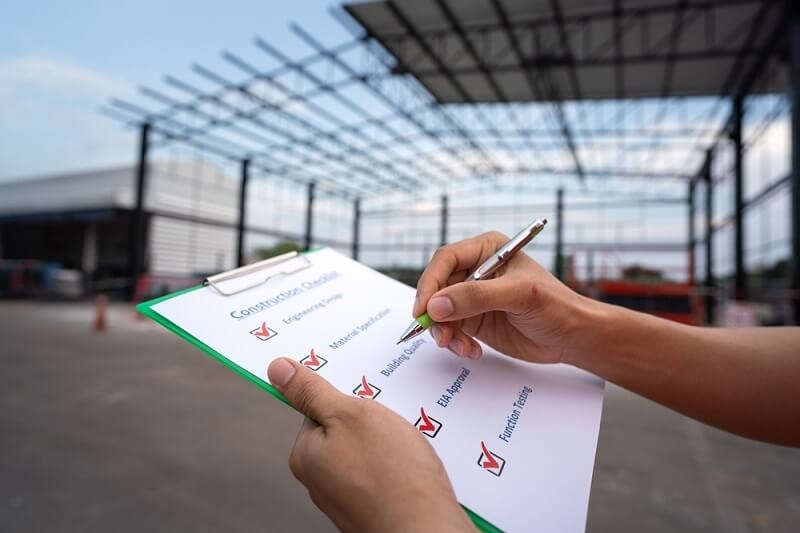
A detailed checklist for building compliance should include categorized compliance areas based on the specific building codes and regulations applicable to the building. Inspectors review the structural requirements as part of their inspection to ensure a structure is safe to occupy and structurally sound.
When inspectors examine structural compliance, they focus on ensuring the safety of the building's structure. The inspector will inspect the load-bearing elements, foundation, walls, and roof to determine whether the structure is safe to occupy.
Examples of items on this checklist are:
Structural failure constitutes one of the most considerable dollar losses in building code compliance; therefore, this part of the building compliance checklist is critical.
Fire safety is a crucial aspect of building compliance and a primary concern during the building inspection process.
The building compliance checklist will help to ensure that:
Fire code violations account for a significant percentage of failures in building inspections and compliance audits.
Dive Deeper: Fire Safety Compliance for Multifamily Housing in Kentucky
Electrical systems must comply with stringent building codes to minimize the risks of fire, power outages, and personal injury.
The checklist will verify that:
The failure of electrical systems to comply with code can create significant liability and can lead to increased insurance premiums and business interruption claims.
Building compliance laws play a key role in how buildings are inspected today. Building inspectors enforce these laws strictly; therefore, having a comprehensive building compliance checklist is crucial.
Failure to comply with accessibility standards may result in a lawsuit against the owner, regardless of any other compliance issues that may exist.
During a building inspection, certified inspectors formally evaluate a structure for building code compliance and compliance with building regulations by reviewing:
A building compliance checklist is a best practice for ensuring that your building has the best chance of passing a building inspection on its first attempt.
Building compliance audits assess the operational compliance of your property, documentation, and long-term adherence to building regulations. A building compliance audit is much broader than a building inspection.
A building compliance audit usually evaluates the following:
Companies that conduct regular building compliance audits tend to experience fewer enforcement actions and generally enjoy a smoother relationship with regulatory agencies.
Building codes are constantly evolving, so we must update our building compliance checklists regularly to reflect the latest information on building code compliance
Best practices include:
Having an outdated checklist creates as many risks to safety as not having one at all.
People in the industry who are knowledgeable about building codes make mistakes in compliance, and the most common mistakes include:
To take care of these risks, please take a disciplined approach to maintaining your building compliance checklist.
Building compliance is not something you do once and then forget about, but rather something you continuously maintain. A building compliance checklist helps ensure that safety and compliance are maintained throughout the building's life. Benefits of a Long-Term Compliance Checklist include the following:
Compliance-driven buildings are safer, more efficient, and more resilient to disasters.
Building compliance often overlaps. Owners, managers, contractors, and inspectors are all responsible for ensuring compliance in their respective areas of expertise.
Using a Shared Building Compliance Checklist:
A Closer Look at This: A Homeowner's Guide to Kentucky's Building Safety Standard
The increasing emphasis on building compliance with:
means updating your building's compliance checklist to reflect these new standards will help ensure the long-term viability of your building.
A Building Compliance Checklist is essential to ensure your property is managed in a safe, legal, and efficient manner. It covers everything from compliance with building codes to passing a building inspection or a building compliance audit and protecting lives, investments, and reputations.
When you keep your Building Compliance Checklist current and detailed, you turn compliance from an inconvenience to a competitive advantage that supports safety, trust, and long-term success.
The Building Compliance Checklist tracks the requirements for safety, structure, and regulatory compliance to ensure adherence to the Building Code before passing a Building Inspection and avoiding delays.
Building Code Compliance is the determining factor in whether a building passes or fails during inspection, and it also determines whether you can legally occupy the facility or continue to operate it operationally.
A building inspection examines the physical condition of the facility. At the same time, a compliance audit assesses the documentation and history of building maintenance, as well as the ongoing compliance measures being implemented.
Building Compliance must be reviewed on an Annual basis, in conjunction with renovations, and also whenever there is a change to the Building Code to ensure that you remain in full compliance with all regulatory requirements.
Responsibility for Building Compliance is shared among the facility owner, facility manager, contractor, and inspector, with a clearly defined compliance checklist to guide adherence to compliance.
This content was created by AI