

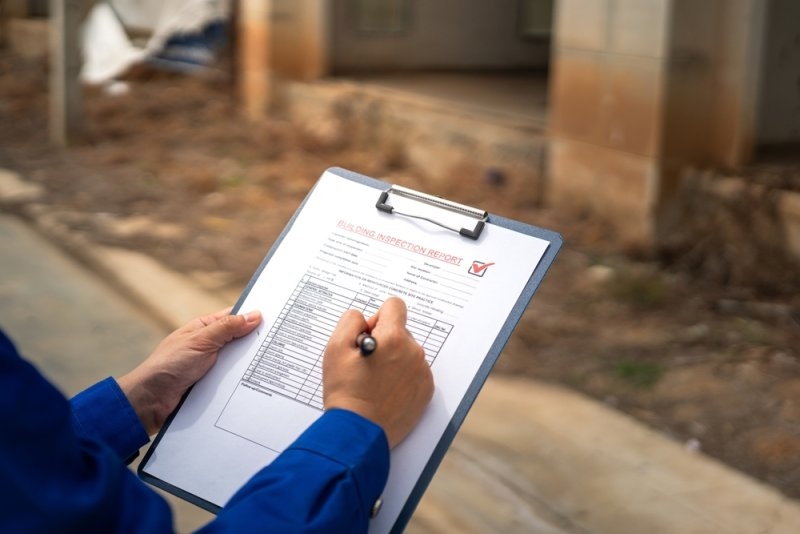
A building inspection is an essential part of any building works, whether this is a new-build, renovation, or simply the maintenance of an existing property. Inspections ensure that buildings meet all safety and operational standards and adhere to the local area regulations.
A lot of failed inspection issues are caused by owners getting caught off guard on what the inspector looks for or not starting the process early enough. This can be avoided with knowledge of the process beforehand and a property that is ready to go for inspection. This normally results in a first-time correct inspection, which is less hassle for both.
A well-detailed building inspection checklist provides the necessary guide to enable property owners, contractors, and facilities managers to review pertinent areas of a building before an official inspection is carried out. Using a checklist makes it easy to identify deficiencies and complete the necessary repairs before the building is inspected.
The standard building inspection checklist can cover areas such as foundation elements, roofing structures, electrical systems, plumbing systems, HVAC equipment, Fire protection systems, accessibility elements, and safety conditions. Developing a standard building inspection checklist can be a useful guide and will benefit from the compliance, safety, and potential reinspection costs.
There is a record number of landowners and property owners in Kentucky questioning what a building inspection will entail when preparing for an upcoming assessment. Requirements may vary from one region to another, but many inspectors will typically complete the following steps: adopting a plan of action.
Having an idea of what will happen during the inspection is the best way to prepare. Expect questions or a check of electrical panels, plumbing fixtures, framing, HVAC, building exits, as well as fire safety equipment. Having an understanding of what you will encounter during the Kentucky building inspection will help property owners gather documentation, obtain access, and address concerns before the inspection day.
Knowing the difference between a rough inspection and a final inspection is important during construction. A rough inspection takes place before the interior walls, ceilings, or floors are installed. During the rough inspection, inspectors check the framing, electrical wiring, plumbing lines, ducting, and other infrastructure that will be concealed by finished surfaces.
The distinction between a rough and final building inspection can be observed toward the end of any project. A final building inspection occurs once construction is largely complete, completed systems are functioning, and the inspector knows that this is the case. During a final inspection, the inspector confirms that the building is in accordance with the plans on file and can validate the applicable codes.
A comprehensive residential house inspection checklist that is for homeowners will help you to know what you have to look for before a complete home inspection can be carried out by the professionals. As homeowners, you should look at other important aspects of your home. Important items included in a residential building inspection checklist for homeowners include:
Housing inspection checklist for homeowners to fix things prior to scheduling an inspection, so they have some time to do repairs and maintenance. Minor points like loose banisters, leaking taps, or broken detectors can sometimes lead to inspection concerns if not attended to.
Knowing what to anticipate in the commercial building inspection is important because the code requirements for these types of facilities could be much more demanding than those for residential buildings. Building managers should refer to permits, maintenance records, equipment testing documentation, and prior inspection history as an initial step.
Another important factor in how to prepare for a commercial building inspection is an internal walkthrough. Fire alarms, sprinkler systems, emergency lighting, HVAC equipment, elevators, and accessibility elements should all be examined and tested. Businesses that know how to prepare for a commercial building inspection are sometimes able to correct issues before the official inspection and approval process begins.
Some of the typical reasons buildings fail their inspection are useful for building owners because they can use this list when doing their own review of the building. Many problems have a high frequency of occurrence because they are relatively simple to remedy. Some of the most common reasons buildings fail inspections include:
By knowing the typical causes of building inspection failures, the owners can emphasize these repairs so a later, more costly full inspection may be avoided. A significant number of failures are safety-related issues.
Prior to official inspection, building owners may choose to do a final walkthrough using the building inspection checklist. Building owners are encouraged to use the final walkthrough as an opportunity to confirm that correction measures have been finalized and that the building systems are operating correctly.
Check the electrical panels, plumbing fixtures, HVAC equipment, fire escapes, fire safety systems, doors, and windows. Have all the docs ready, and make sure inspectors have access to everything needed. The last-minute walk-through is the most eye-opening part of the process. Little things that were missed can be remedied at this time, so you’re not hit with delays or an unnecessary reinspection fee.
A building inspection is meant to safeguard individuals, properties, and experience, yet it can be intimidating. However, by being well prepared, property owners and managers can all but guarantee a positive inspection result.
With an extensive building inspection checklist, expectations for what occurs during a building inspection in Kentucky, and what to know about the distinction between rough and final building inspections, insight into the best ways to prepare for a commercial building inspection, and reasons why buildings fail an inspection, property owners and managers can turn what should be a smooth process into an achievable one.
A building inspection time will vary greatly with the size, intricacy, and condition of a particular property. A typical residential building inspection may take 1-3 hours, while extensive commercial properties could necessitate several hours or even require multiple visits. The accessibility of different parts of the building and documents must also be factored into time estimations.
Severe weather may limit what tasks can be completed during a building inspection. A heavy rainstorm might prevent an inspector from being able to access and examine the roof of a building. High winds or heavy snow may do likewise. Inspectors often have the option to schedule that part of the building inspection for a later date until the weather permits.
Older buildings may not be up to current code with their building systems, and they may be constructed with outdated materials or have received modifications that no longer conform to code. An older building, however, may be in perfect repair, as age alone is not an automatic indicator that it is problematic. Many older buildings are inspected regularly by homeowners who are addressing obvious problem areas as part of ongoing maintenance and upgrades.
If a building fails its inspection, the inspector will issue a report that lists the violations or issues that will need to be addressed. Then, the building will need to be reinspected after the corrective work is performed. Most buildings will pass reinspection after the identified items are remediated to the appropriate code standard.
This content was created by AI