

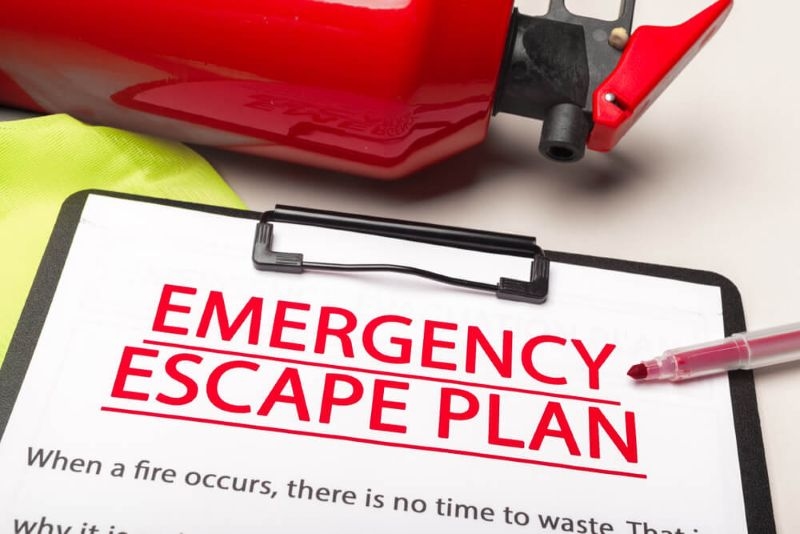
Safety depends on planning before danger even starts. Proven Evacuation Strategies for Emergency Planning help people move fast, follow clear Evacuation procedures, and reduce harm. A strong Evacuation plan supports every emergency evacuation and shows how to evacuate safely when fear and confusion appear. Evacuation Strategies work best when simple steps are ready and practiced. Fire evacuation plans, workplace exits, and home safety routes all matter. Preparation builds calm thinking, and calm thinking saves lives.
People often think emergencies give warnings, but many do not. Fires grow fast, and storms move quickly. That is why learning Proven Evacuation Strategies for Emergency Planning makes safety stronger and more reliable.
Evacuation Strategies protect people from danger by giving directions. Without a plan, people freeze or make risky choices. A clear Evacuation plan removes guessing and replaces it with action.
Emergencies can include
Each situation needs emergency evacuation steps. When people understand evacuation procedures, they respond more quickly and safely.
Safety experts agree that planning lowers injury risk. Organized movement prevents crowd panic, which often causes harm.
Read the Full Guide: Building for Safety: Kentucky's Seismic Codes Uncovered
An Evacuation plan is a written and practiced guide. It explains how to evacuate safely and where to go.
A complete plan includes
Every building needs more than one exit. Fires block paths, and backup routes save lives.
Evacuation procedures should stay simple. People remember simple steps better during stress.
Families also need home evacuation procedures. Children must know exits, and adults must guide calmly.
Homes feel safe, but danger can still enter. Fire evacuation remains the most common home emergency.
Families improve safety by following these Evacuation Strategies.
Every room should have two exits. One door and one window work best.
Practice using both paths. Practice builds memory.
Pick a safe location like
Meeting points help people count everyone quickly.
Practice makes evacuation procedures automatic. Children learn faster through drills.
Experts recommend practicing twice each year.
Proven Evacuation Strategies for Emergency Planning always include practice because practice builds confidence.
Fire evacuation needs fast action. Smoke spreads faster than flames. Breathing smoke causes danger quickly.
People must know how to evacuate safely during fire events.
Follow these rules
These Evacuation Strategies prevent delays.
Emergency evacuation during a fire must happen immediately. Waiting increases risk.
Smoke alarms support evacuation procedures by giving early warning. Early warning gives extra escape time.
Workplaces accommodate many people, making evacuation more difficult. A clear Evacuation plan helps workers leave safely.
Employers must provide evacuation procedures for safety compliance.
Employees must learn how to evacuate safely through training.
Training reduces confusion and speeds evacuations.
Proven Evacuation Strategies for Emergency Planning improve workplace safety and protect staff.
Different emergencies need different actions. However, some evacuation procedures remain the same.
Calm thinking improves decision-making. Panic slows evacuation.
Move quickly, but do not run wildly.
Exit signs guide movement.
These signs exist to support emergency evacuation safety.
Help children, the elderly, or injured persons.
Community support improves survival chances.
Evacuation Strategies work best when people help each other.
Schools must protect children, who depend on adult guidance.
School evacuation procedures include drills and staff leadership.
Teachers guide students using planned Evacuation Strategies.
Fire evacuation drills help students react without panic.
Emergency evacuation planning effectively protects large groups.
Public places like malls also use evacuation procedures. Exit signs and alarms help visitors escape safely.
Mistakes slow evacuation and increase risk.
Avoid these errors
Practice builds readiness.
Without drills, people hesitate.
Items waste time.
Emergency evacuation must stay fast.
Elevators fail during fire evacuation.
Stairs remain safer.
No plan creates confusion.
Proven Evacuation Strategies for Emergency Planning always require preparation.
Recommended Article: Your Complete Guide to Fire Compliance in Kentucky Buildings
Building Evacuation Strategies requires careful thinking.
Follow these steps
Be aware of potential emergencies, such as fire evacuations or storms.
Risk awareness improves planning.
Choose primary and backup exits.
Backup exits protect against blocked paths.
Assign leaders and helpers.
Leadership improves evacuation procedures.
Practice strengthens memory.
Practice improves emergency evacuation performance.
Review plans yearly.
Update when needed.
Proven Evacuation Strategies for Emergency Planning stay effective through updates.
Communication supports safe evacuation.
People must hear and understand instructions.
Clear communication reduces panic.
Examples include
Communication strengthens evacuation procedures.
Without communication, evacuation becomes disorganized.
Families also need communication plans.
Children must know who to call.
Communication improves how to evacuate safely.
Some people need extra help.
These include
Evacuation Strategies must include assistance plans.
Helpers must guide vulnerable people during emergency evacuation.
Planning prevents abandonment.
Safety planning protects everyone equally.
Practice builds muscle memory.
People act faster when trained.
Practice improves the effectiveness of evacuation procedures.
Fire evacuation drills teach correct movement.
Workplace drills improve coordination.
Proven Evacuation Strategies for Emergency Planning depend on repetition.
Practice turns planning into action.
Planning improves survival chances.
Benefits include
Prepared people act faster.
Prepared people stay safer.
Evacuation Strategies protect families, workers, and communities.
Safety grows through preparation.
Children need simple instructions.
Simple teaching improves memory.
Teach children
Practice improves confidence.
Fire evacuation drills reduce fear.
Children who practice know how to evacuate safely.
Parents build safety habits early.
Evacuation planning creates lasting protection.
Plans grow stronger over time.
Prepared communities recover faster.
Read Next: Are You Following a Proper Building Compliance Checklist?
Proven Evacuation Strategies for Emergency Planning protect lives by guiding fast and safe action. A clear Evacuation plan, regular practice, and proper evacuation procedures improve safety. An emergency evacuation becomes easier with preparation. Learning how to evacuate safely today builds confidence, reduces fear, and protects families, workplaces, and communities during unexpected emergencies.
An evacuation plan is a safety guide that outlines exit routes, meeting points, and a step-by-step process to ensure that individuals are able to leave a dangerous situation safely in case of emergencies.
Evacuation strategies are important since they reduce panic, facilitate faster movement, and ensure that everyone is able to follow a safe process in case of fires and other emergencies.
The drills should be practiced at least twice a year to ensure that everyone is prepared and knows how to exit a dangerous situation safely.
The first step is to stay calm, follow the Evacuation plan, and move quickly using the nearest safe exit route.
This content was created by AI